
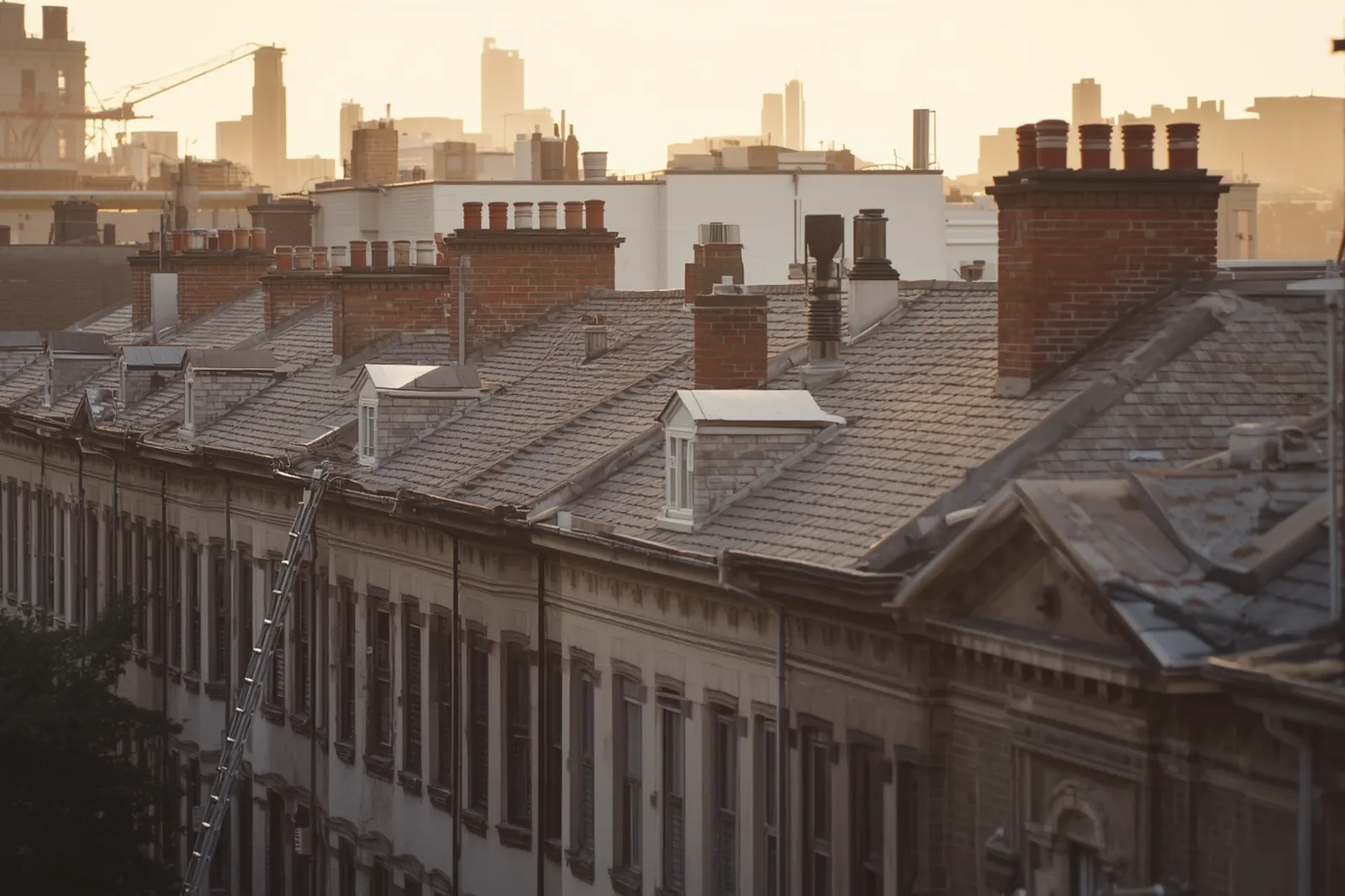
Chimney Sweep and Masonry Repair in Crown Heights
A working sweep and masonry crew for the limestone rows, Eastern Parkway apartment houses and frame homes of Crown Heights. Every visit ends with written findings and photos, not a sales pitch.
 CSIA CertifiedChimney Safety Institute of America
 NCSG MemberNational Chimney Sweep Guild
 NFI CertifiedNational Fireplace Institute
 BBB A+ RatedBetter Business Bureau
 5-Star Google ReviewsVerified customer feedback
- Licensed & InsuredGeneral liability and workers comp
- Family OwnedLocally owned and operated
 HomeAdvisor ScreenedBackground checked and approved
 Angi CertifiedVerified reviews and licensing
 EPA Lead-SafeCertified renovation firm
 NYC DOB LicensedDepartment of Buildings
 OSHA 30 TrainedSafety-trained crews
What You Get When Our Crew Shows Up
A chimney is the one part of a Brooklyn house that nobody sees until it fails. We treat it the way a good mason treats a facade: inspect first, document everything, repair with materials that match what is already there.
Written findings every time
you get a plain-language report with photos of the flue, crown and flashing before anyone talks about repairs.
Material-matched masonry
Type N mortar on soft historic brick and a reclaimed brick match on rebuilds, so the repair ages with the wall instead of against it.
Liners sized to the appliance
stainless steel flue liners specified for the boiler, water heater or fireplace actually connected, never a one-size tube.
Same-week appointments
we work Monday through Saturday and hold slots for homes on these blocks with active leaks or smoke coming back into the room.
Chimney and Masonry Work We Handle on These Blocks
Most calls start with one symptom: a stain on the ceiling, a smell of smoke in a bedroom, white powder on the brick above the roofline. Each of these points to a different part of the system, and each has a service that fixes the cause rather than hiding it.
Chimney Leak Repair
We trace water from the stain back to its entry point, usually a failed crown, open flashing or saturated brick, and repair the source.
Learn more →Chimney Crown Repair
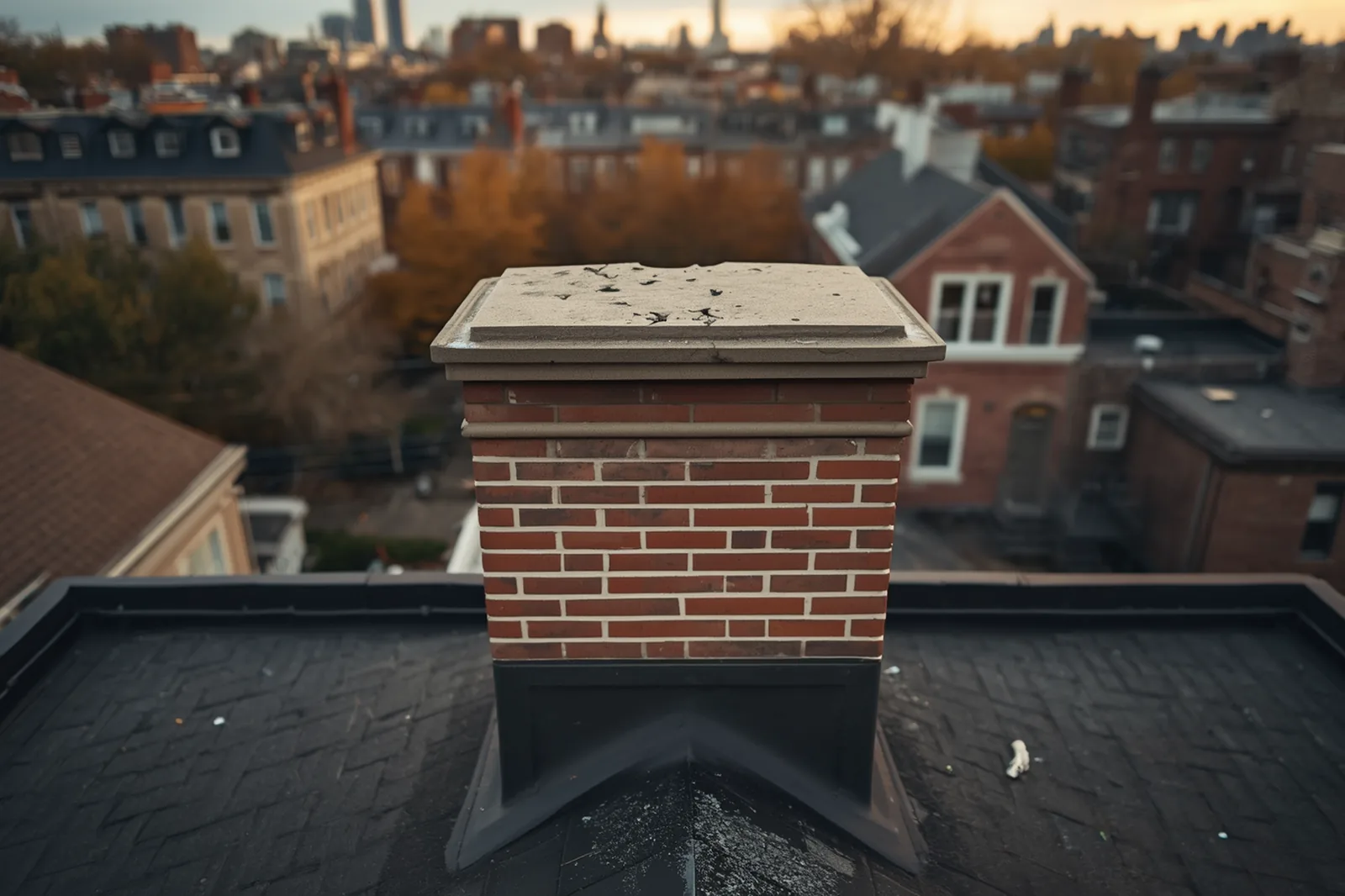
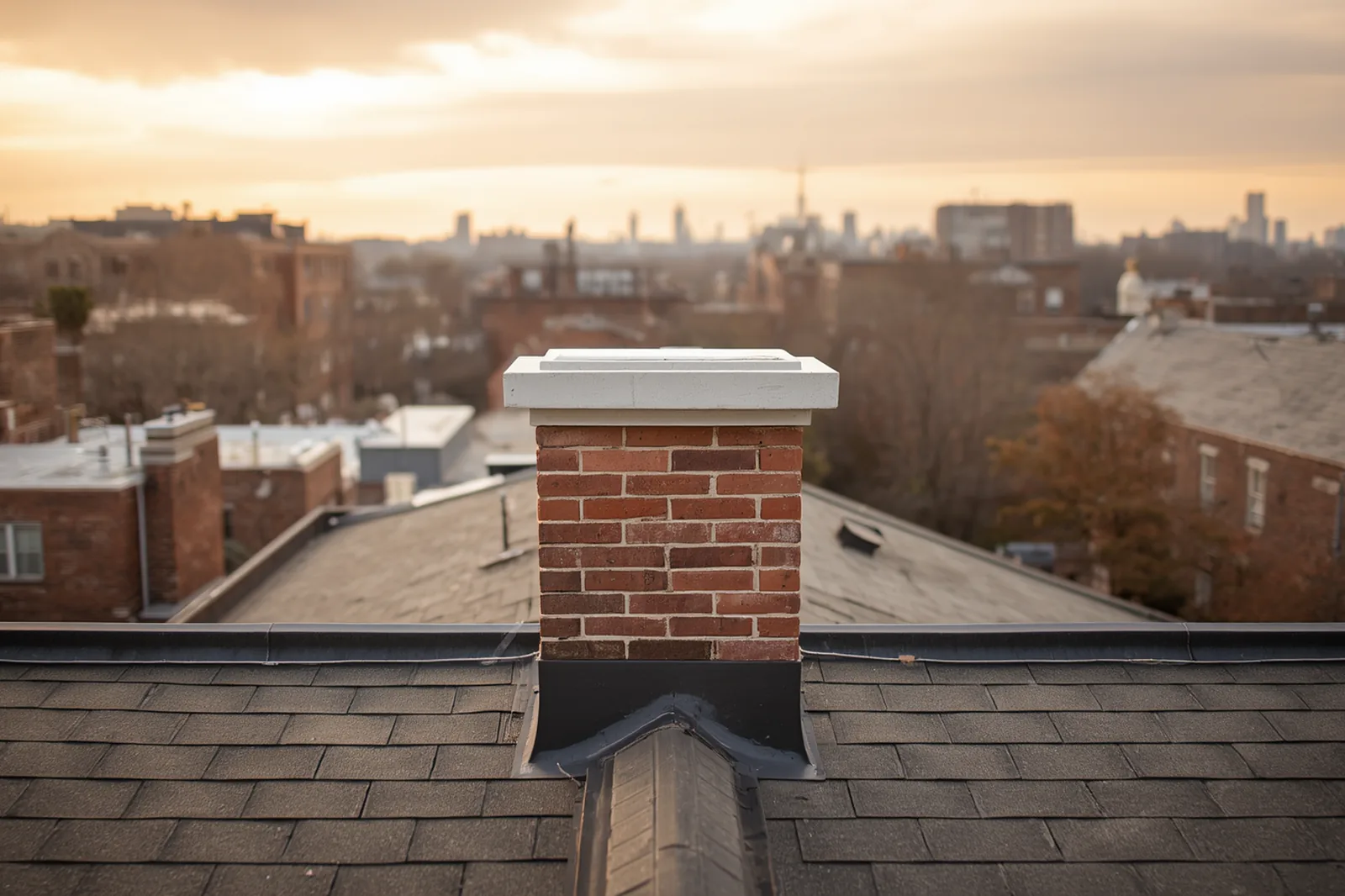
Cracked crowns are recast in place with a proper overhang and drip edge so water sheds clear of the brick below.
Learn more →Chimney Tuckpointing
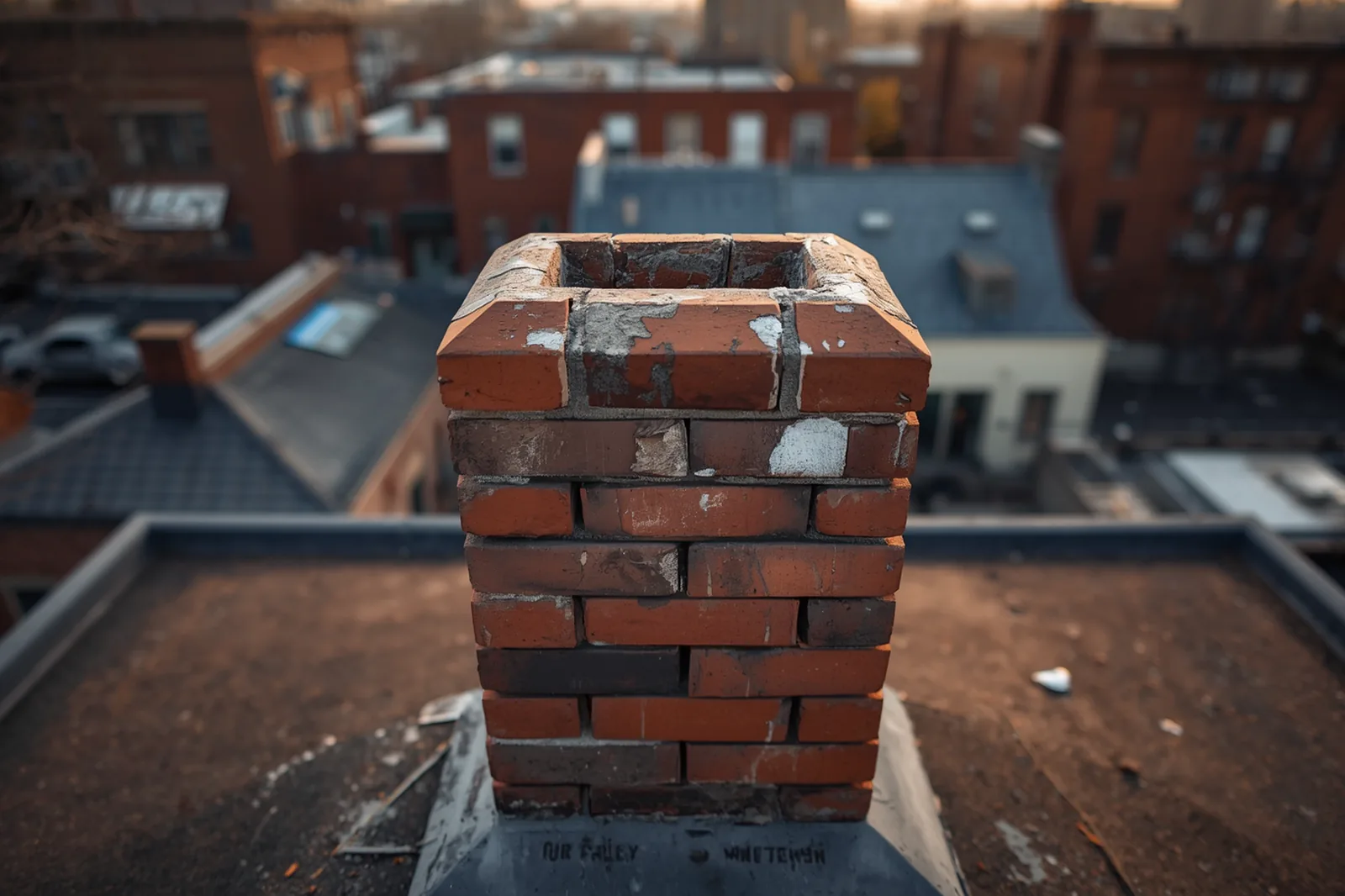
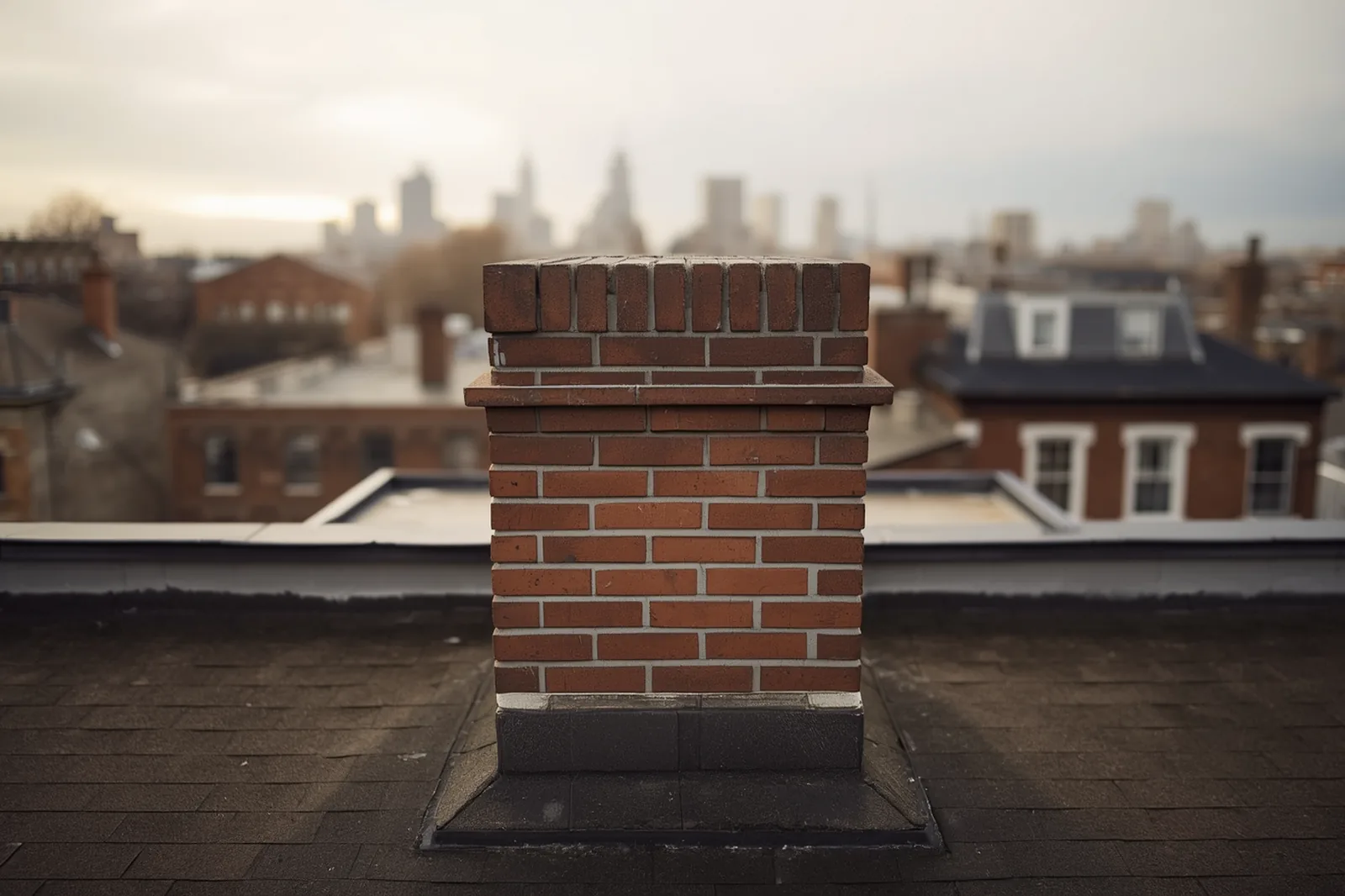
Crumbling joints are ground out and repointed with Type N mortar matched in color and texture to the original work.
Learn more →Chimney Flashing Repair
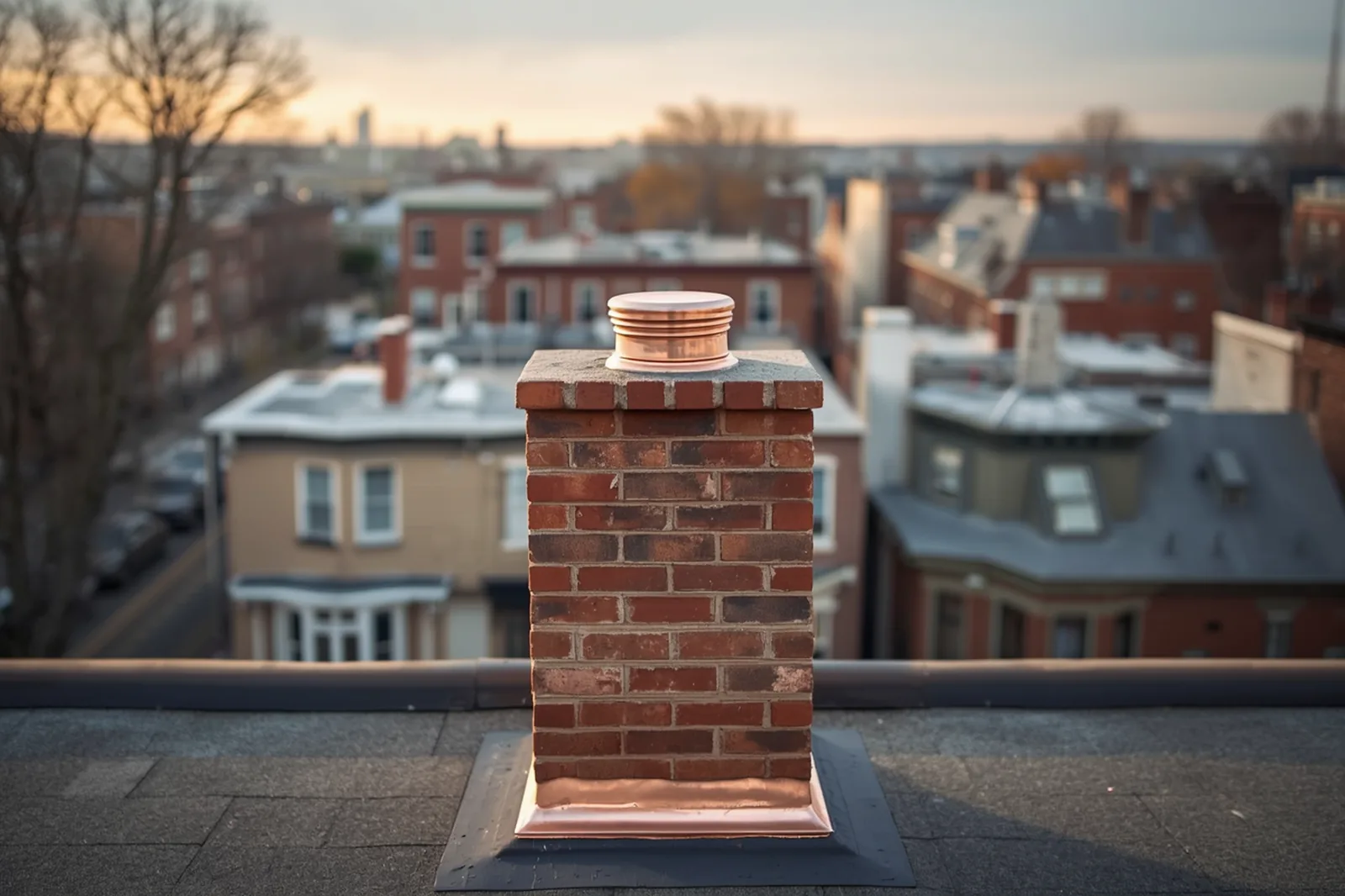
Copper flashing with lead counter-flashing let into the mortar joint, the detail that actually holds on a flat Brooklyn roof.
Learn more →Chimney Sweep
Rotary and brush cleaning of the full flue, smoke chamber and firebox, with the room sealed and a HEPA vacuum running the whole time.
Learn more →Chimney Inspection
A Level 1 visual check for routine service, or a Level 2 camera scan when you are buying, selling, changing fuel or after a chimney fire.
Learn more →Creosote Removal
Glazed third-stage creosote that a brush will not move gets treated and mechanically removed before it becomes a fire risk.
Learn more →Dryer Vent Cleaning
Long horizontal runs in rowhouses and apartment lines pack with lint fast, so we clear them end to end and check the termination outside.
Learn more →Chimney Liner Installation
Stainless steel liners for gas conversions, oil-to-gas boiler swaps and wood fireplaces with broken clay flue tile.
Learn more →Chimney Cap Installation
Stainless caps with spark screens keep rain, pigeons and debris out of flues that have stood open for years.
Learn more →Representative Work: Crown Recast and Flashing on a Limestone Row
- Project type
- Crown recast and copper flashing
- Area
- Crown Heights
- Problem
- A typical job type we handle on the limestone rowhouses north of Eastern Parkway: water stains near a third-floor fireplace, a cracked chimney crown that had been patched with roofing tar, and flashing that was simply a strip of membrane glued to the brick.
- Solution
- We strip the failed crown back to sound masonry, form and pour a cast-in-place crown with an overhang and drip edge, then cut a reglet into the mortar joint for new copper flashing with lead counter-flashing. Open joints on the upper courses get repointed with Type N mortar at the same time so the stack is watertight from the top down.
- Materials
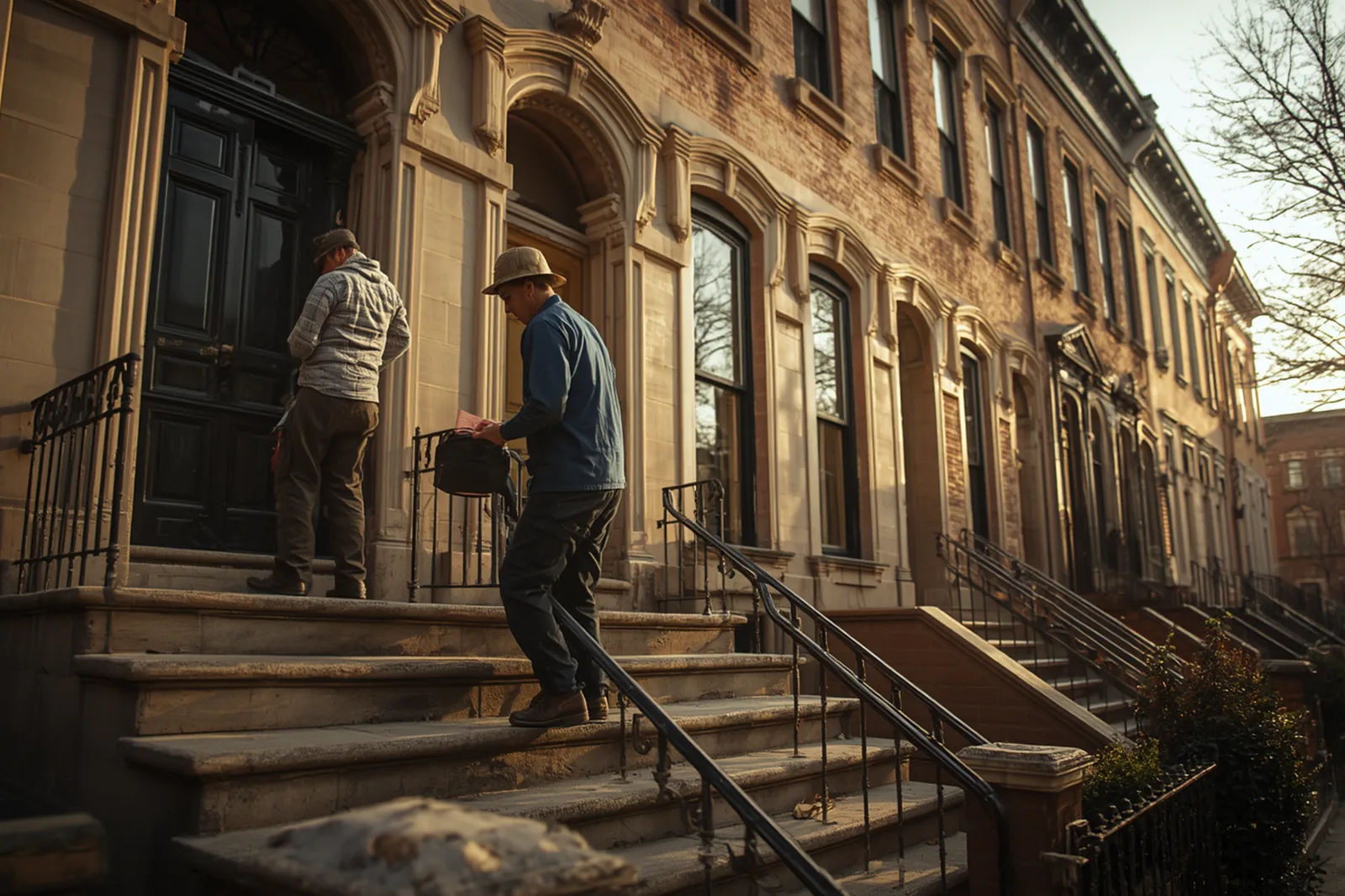
Recent Work
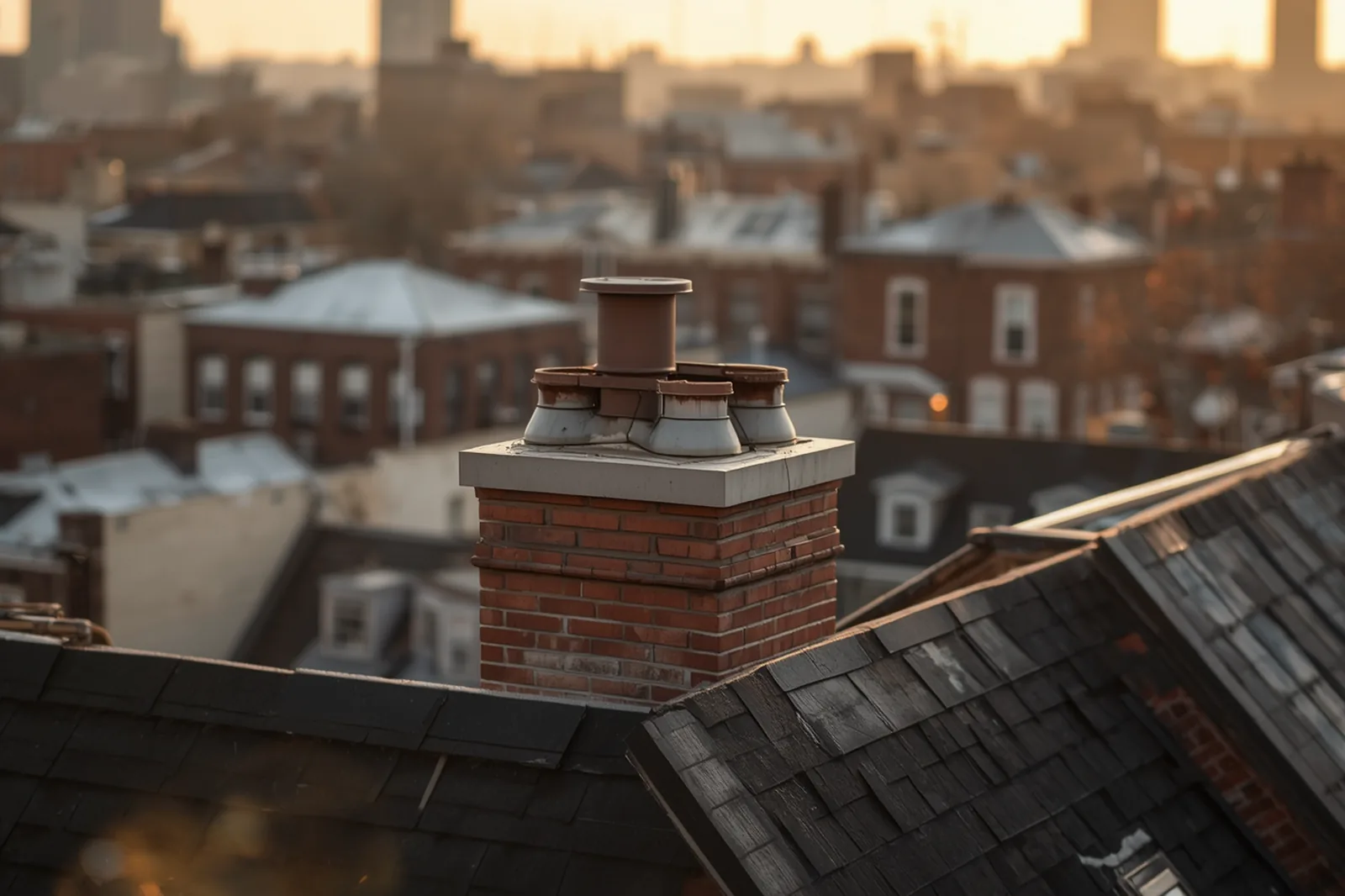
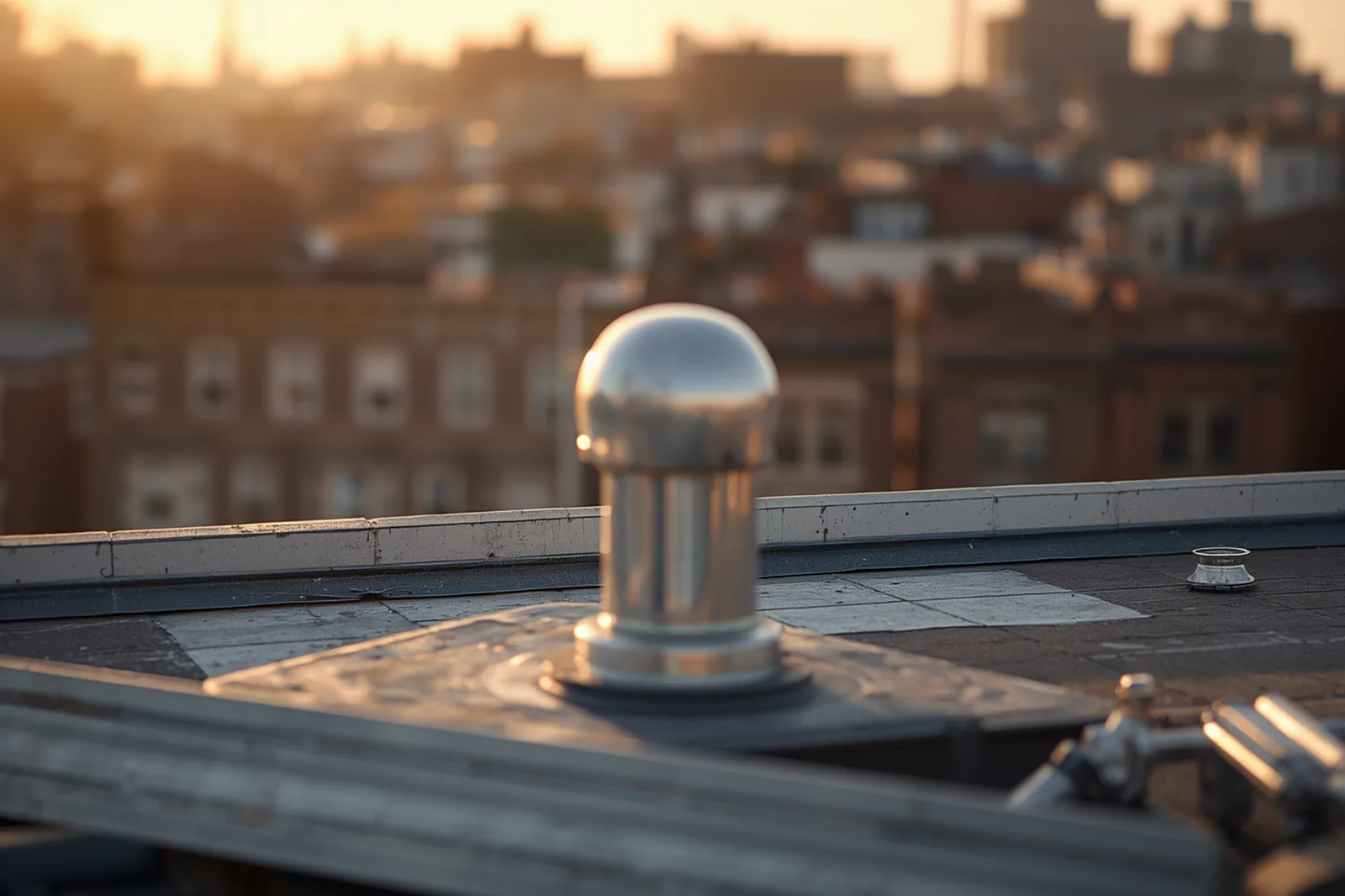
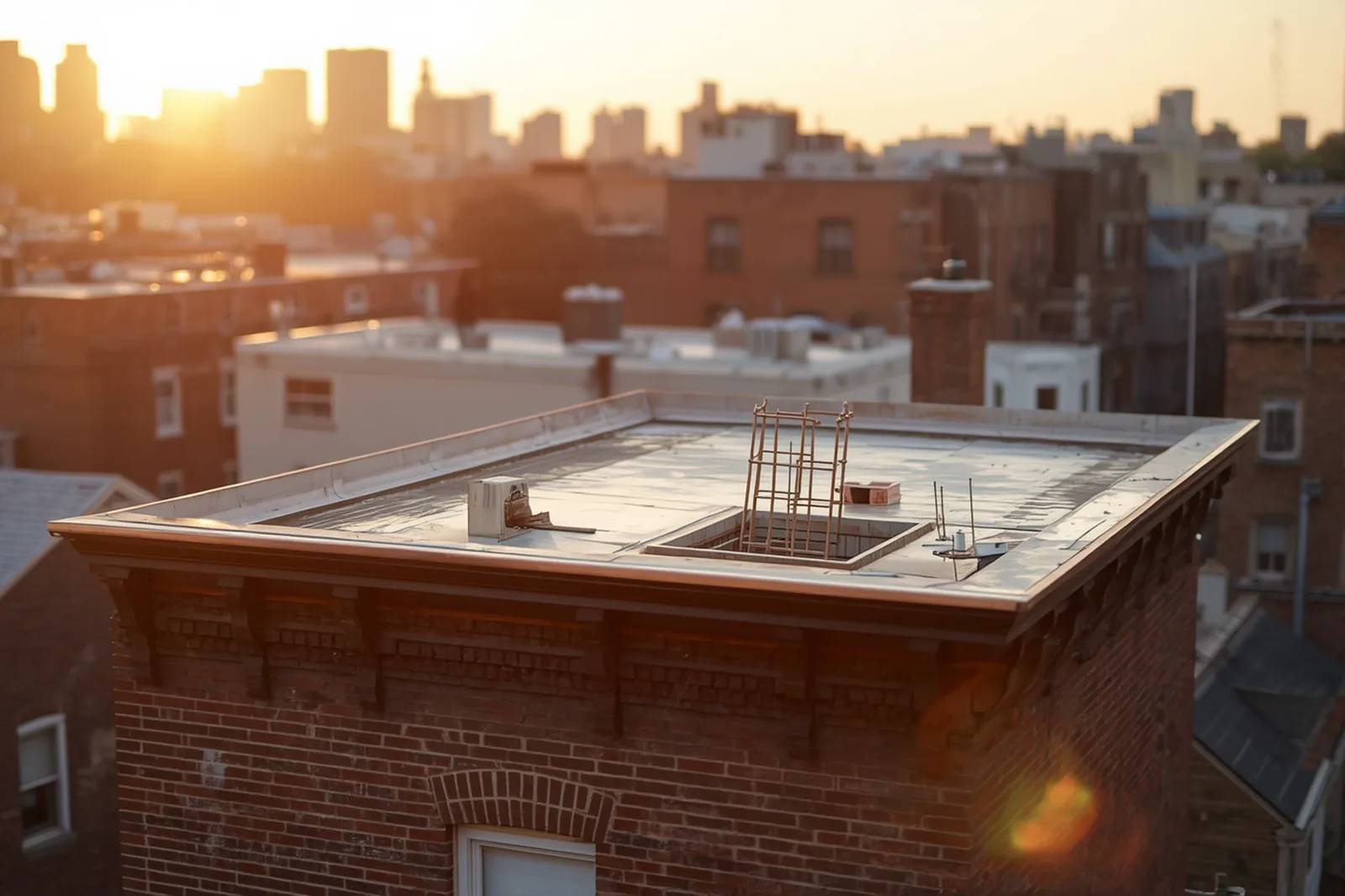
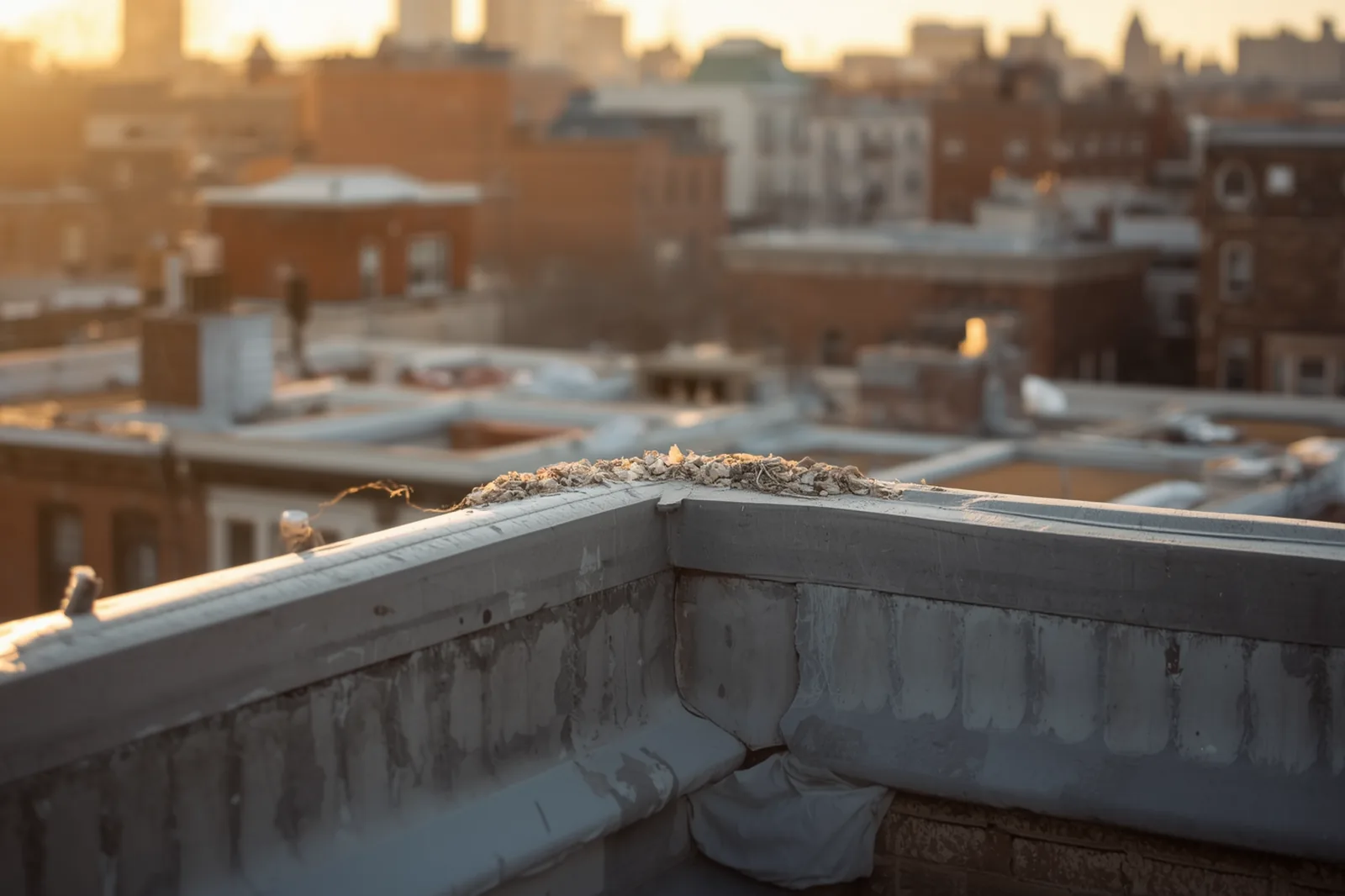
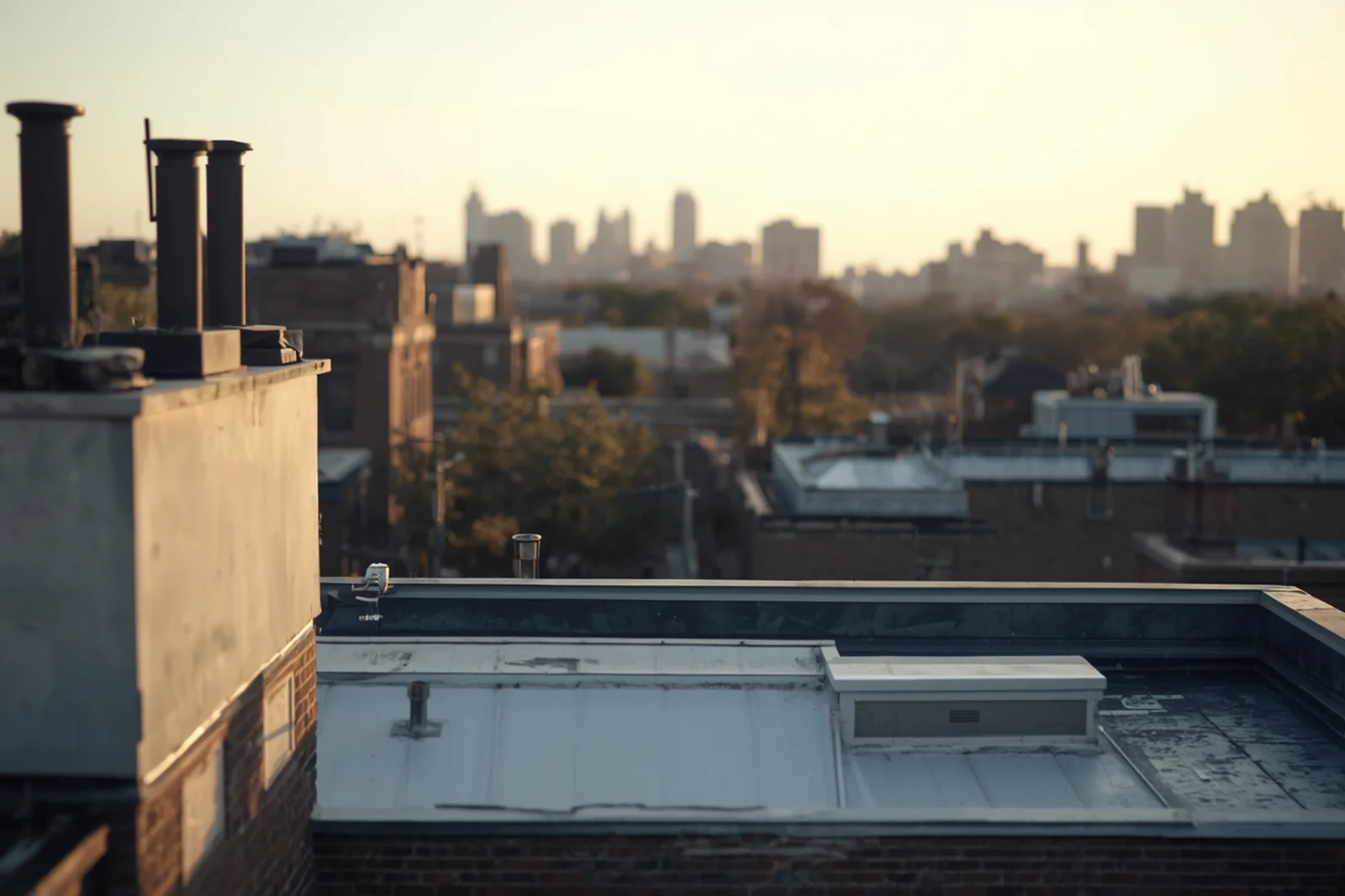
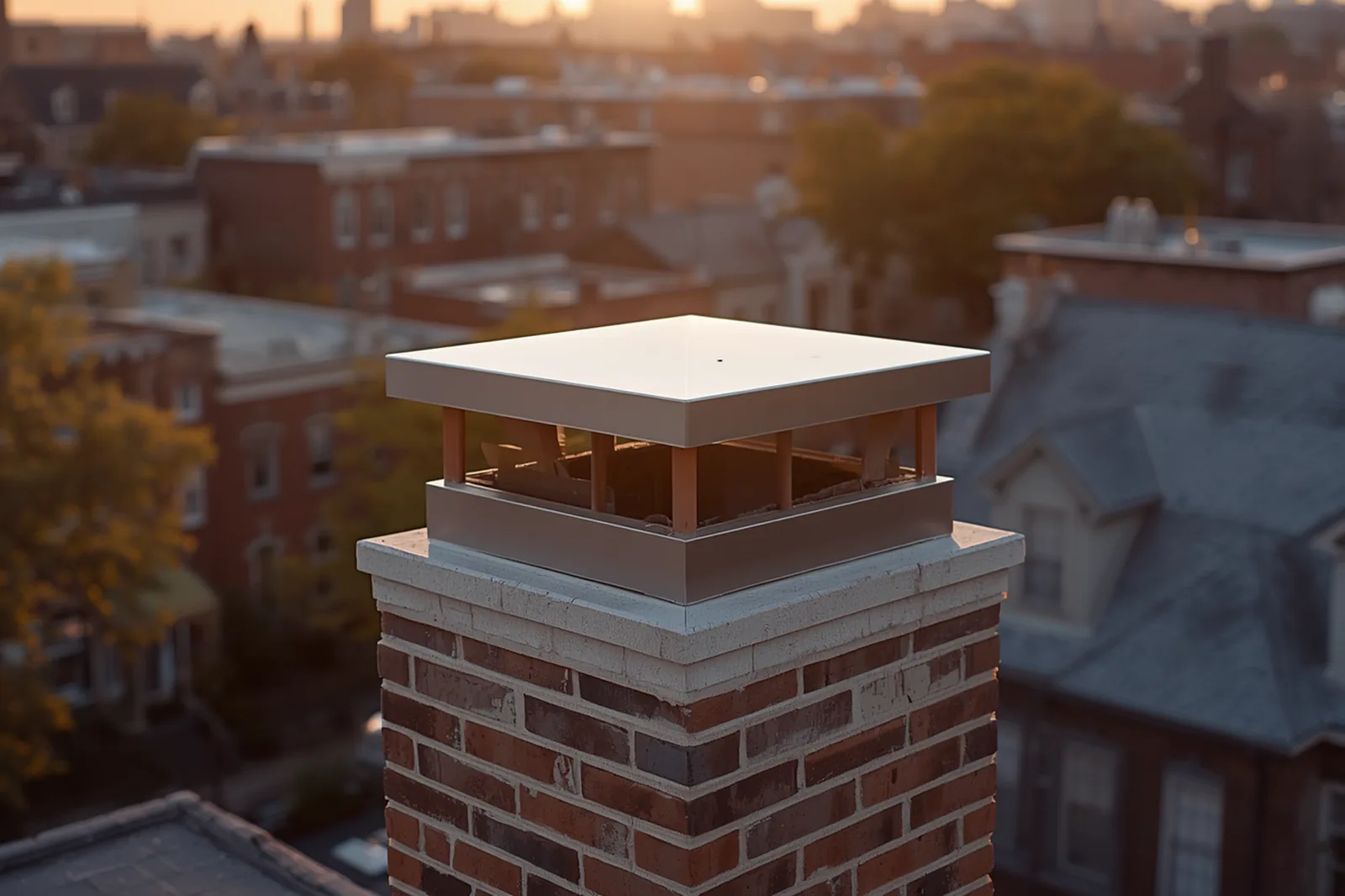
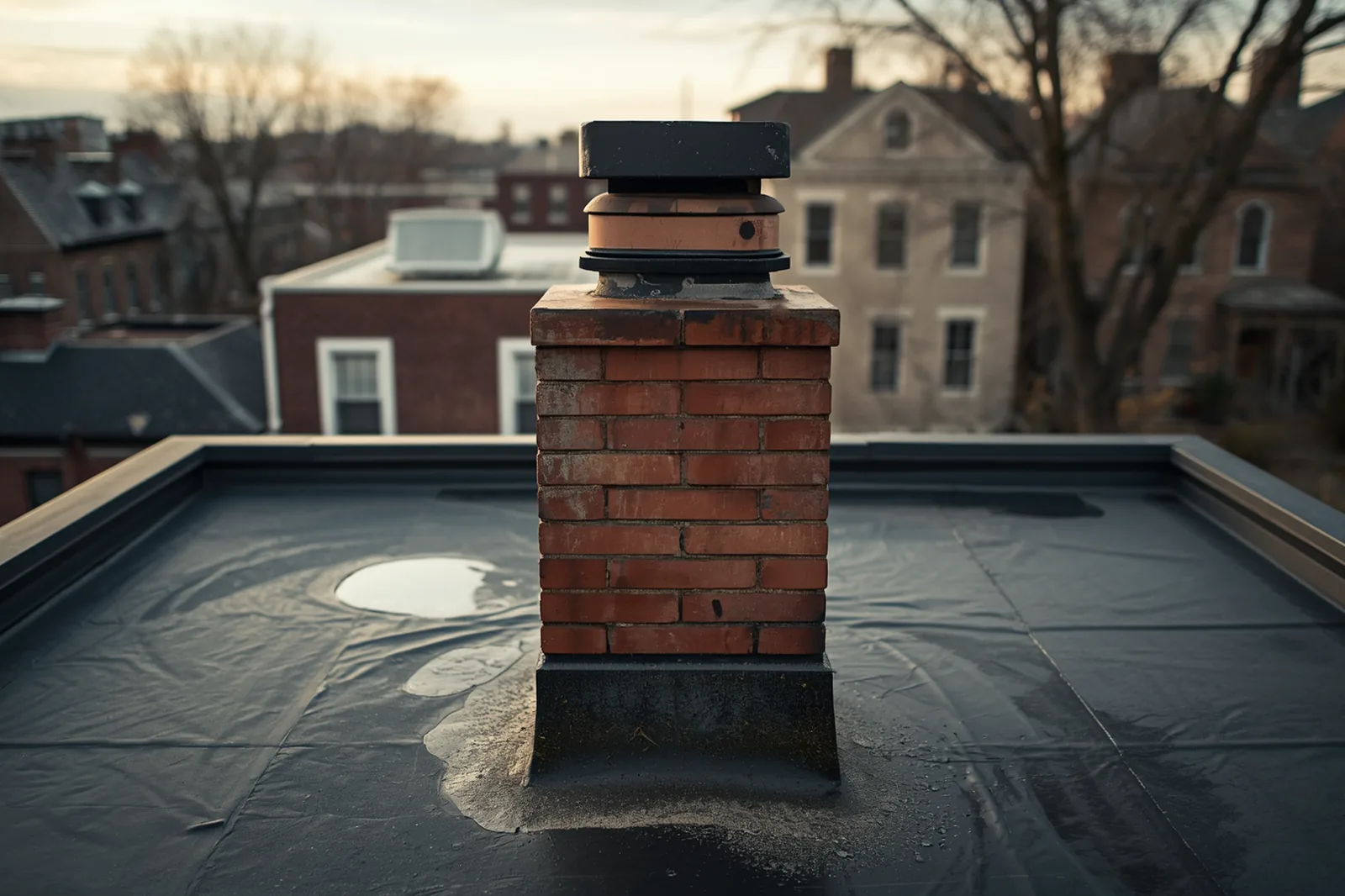
Before and After on Crown Heights Chimneys
Where Else We Work
Our crew is based in Crown Heights and most days we never leave it. When we do, it is to the blocks right around us: the brownstones of Prospect Heights, the Victorian rows of Bedford-Stuyvesant, the Italianate houses and mansions of Clinton Hill, the six-story pre-war buildings of Flatbush, the brick two-families of East Flatbush and the attached rows of Brownsville.
Keeping the footprint tight is deliberate. It means a sweep in Prospect Heights at seven-thirty and a crown recast on Eastern Parkway by mid-morning, and it means we already know the building type before we ring the bell.

When should a Crown Heights homeowner have the chimney swept and inspected?
Have any flue you burn wood in swept and inspected once a year, ideally in late summer before heating season starts. Gas-fired flues in Crown Heights rowhouses still need an annual look because old clay tile and mortar joints break down from acidic condensate. Book an inspection sooner if you notice smoke backing into the room, white efflorescence on the brick, or water stains near the fireplace.
From Your Call to a Clean Flue
The order matters. We do not quote masonry over the phone, and we do not sweep a flue we have not looked inside.
- Call or book onlineTell us the symptom, the building type and what the chimney serves. For a rowhouse with a boiler and a fireplace on one stack, that changes how we prepare.
- Inspection before anything elseWe look at the flue from the firebox up and from the roof down, photograph the crown, flashing and mortar joints, and check the damper and smoke chamber.
- Findings in writingYou get the photos and a plain report that separates what is a safety issue, what is a water issue and what can wait. If nothing needs doing, the report says so.
- Work scheduled around your buildingCo-op boards, shared parapets and roof access all get sorted before the crew arrives. Masonry days are planned around weather so mortar cures properly.
- Clean-up and walkthroughDrop cloths come up, the hearth is vacuumed, and we walk you through the finished work with before-and-after photos for your records.
What Crown Heights Buildings Ask of a Chimney
The limestone rowhouses north of Eastern Parkway were built with several flues bundled into one stack, one for each floor's fireplace plus the boiler. Those flues are clay tile at best and bare brick at worst, and after a century of acidic flue gas the mortar between the tiles has often washed out. That is why we see smoke crossing from one flue into another and white efflorescence blooming on the parapet side of the stack.
The large pre-war apartment buildings along Eastern Parkway have tall masonry stacks rising above flat roofs and parapet walls. Boiler flues in these buildings carry a lot of heat and moisture, and the crowns and upper courses take the worst of it. Access is through the bulkhead, work needs to be coordinated with the super and the board, and a leaning or spalling stack over a public sidewalk is not something to put off.
South of the Parkway the detached Victorian frame houses have exterior brick chimneys on a wood-frame wall with a pitched roof. Flashing against a sloped roof is a different detail from a flat-roof curb, and long unlined flues on frame houses are the ones we most often reline in stainless steel before anyone lights a fire.
Findings in Writing, No Upsell
Every inspection produces a written report with photos, whether or not we end up doing the repair. You can hand it to a co-op board, a buyer, an insurer or another contractor and it will make sense to them.
We do not sell a liner to someone whose flue only needs a sweep, and we do not recast a crown that can be sealed. When a repair is genuinely urgent, such as a cracked flue tile behind a wood-burning fireplace or a stack leaning over the sidewalk, we say so plainly and explain why. The rest of the time the report tells you what can wait and roughly how long.
Crown Heights Chimney Sweep is a small crew, which means the person who inspected your flue is usually the person who comes back to fix it.
Frequently Asked Questions
Do you work on co-op and condo buildings along Eastern Parkway, or only private houses?
Both. The pre-war buildings along Eastern Parkway make up a good share of our masonry work, and we are used to going through a super or managing agent to arrange roof access. We provide the insurance paperwork a board typically asks for before anyone goes on the roof. The written report after an inspection is formatted so a board can act on it without needing us to explain it.
My fireplace is sealed and I only have a gas boiler. Do I still need a chimney service?
Yes, and this is the most common gap we see in rowhouses around here. Gas appliances produce acidic condensate that eats clay flue tile and mortar joints from the inside, and a deteriorated boiler flue can leak carbon monoxide into living space. An annual inspection checks that the flue is intact, properly sized and clear of fallen tile and debris. Many older boiler flues end up needing a stainless steel liner.
What is the difference between a chimney sweep and a chimney inspection?
A sweep removes soot and creosote from the flue, smoke chamber and firebox. An inspection evaluates the condition of the chimney itself, from the damper and firebox up through the flue to the crown and cap. On a routine visit we do both, because you cannot properly see the flue walls until they are clean. A Level 2 inspection adds a camera scan of the full flue and is the right choice when a property changes hands.
Why does white powder keep showing up on my chimney brick?
That white deposit is efflorescence, salts carried to the surface by water moving through the masonry. On a chimney it almost always means moisture is getting in from above, through a cracked crown, open mortar joints or a missing cap, then evaporating out of the brick face. Brushing it off does nothing. The fix is finding where the water enters and sealing that, which is exactly what our inspection report points to.
How soon can you come out, and do you work Saturdays?
We schedule Monday through Saturday from early morning until early evening, and we keep same-week openings for these blocks and the neighborhoods around them. Active leaks, smoke in the house or a chimney that looks unstable get moved to the front of the line. Routine sweeps and inspections book fastest in spring and early summer, before everyone remembers their fireplace at the first cold snap.
Will the sweep make a mess inside my house?
It should not, and if it does we have done something wrong. We seal the fireplace opening, lay drop cloths from the door to the hearth, and run a HEPA vacuum the entire time the brushes are in the flue. Soot stays inside the sealed opening and the vacuum. When we leave, the hearth and the path to it are as clean as when we arrived.
Guides from the Crew
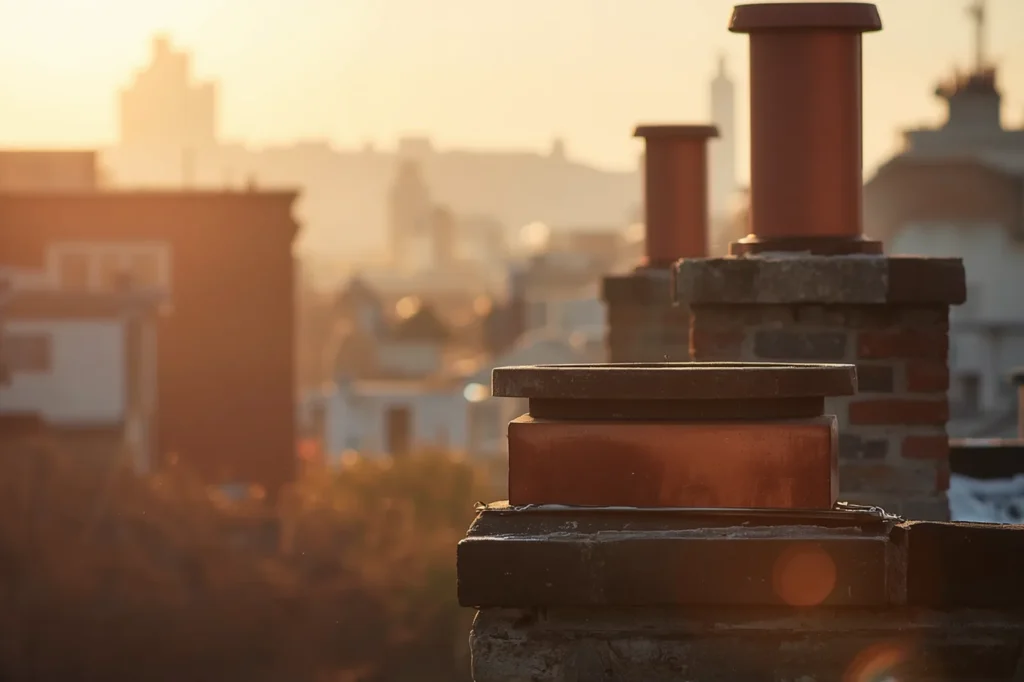
Winter Prep for Pre-War Building Boiler Chimneys: A Checklist for Supers and Boards
Have the boiler flue inspected and cleaned before the first firing, confirm every flue in the stack is either in service or sealed, and get a written report…
Read the guide →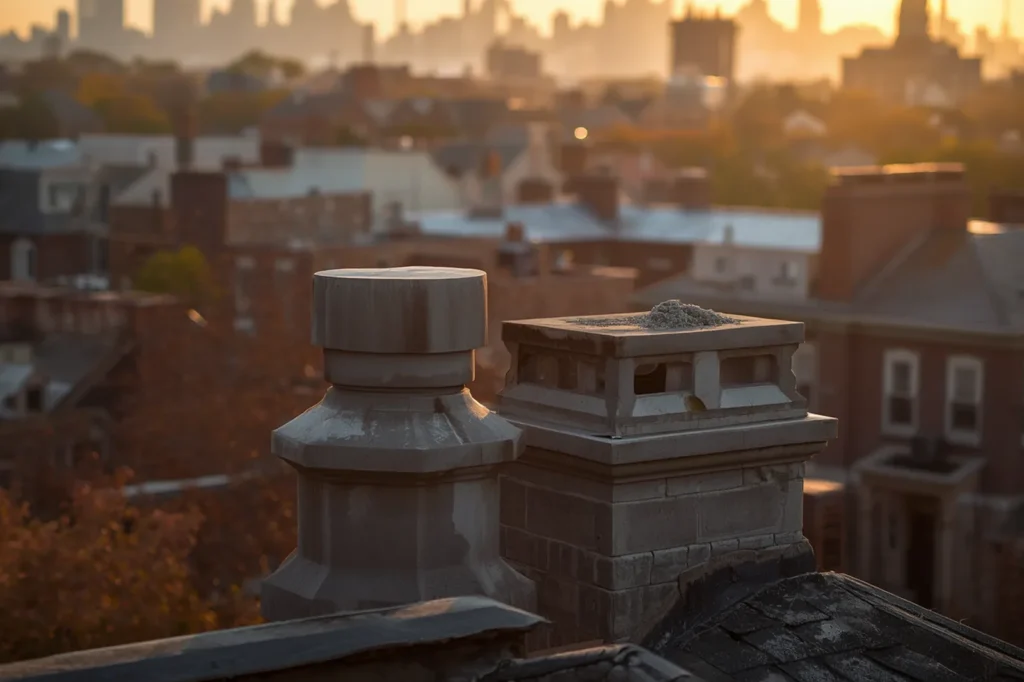
Chimney Crown vs Chimney Cap: The Two Parts That Fail First on Crown Heights Roofs
The crown is the sloped masonry top that sheds water off the brick and the cap is the metal cover that keeps rain and animals out of the…
Read the guide →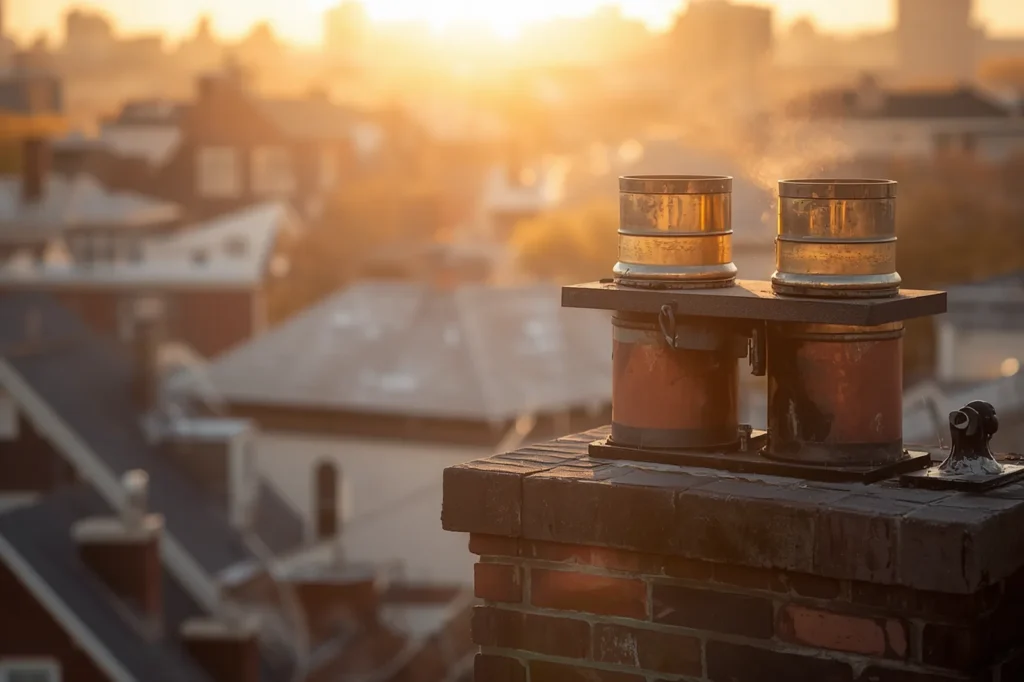
Creosote Stages 1, 2 and 3: What Each One Means for a Wood-Burning Fireplace
Creosote starts as loose soot a brush removes, hardens into crunchy tar that needs a rotary head, and ends as a glossy glaze that only chemical treatment and…
Read the guide →Book a Chimney Inspection in Crown Heights
Call (347) 555-0188 or send a note to [email protected]. Same-week appointments, Monday through Saturday, with written findings and photos after every visit.